






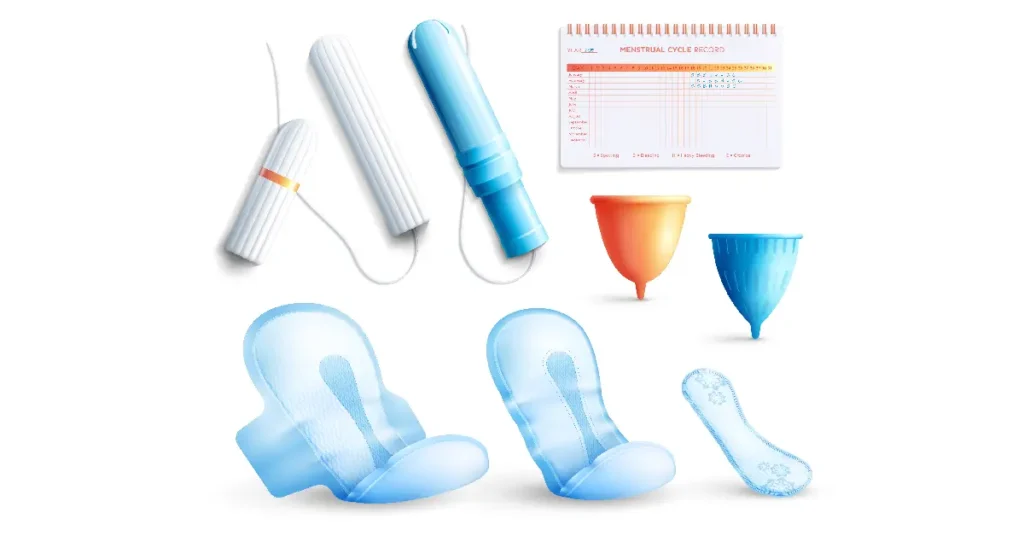
Managing your period shouldn’t feel confusing, especially with so many menstrual products available today. From pads to tampons, cups to period underwear, each option has its own safety tips you should know. Using them correctly not only keeps you comfortable but also protects your health.
In this guide, you’ll learn simple, expert-approved hygiene practices for every product. Let’s make period care safer, easier, and stress-free.
Understanding the Different Types of Menstrual Products
Menstrual products come in many forms, each designed to match different comfort levels and lifestyles. Pads are external absorbent layers you stick to your underwear, making them an easy, non-invasive option for all ages.
Tampons sit inside the vaginal canal and offer excellent mobility, especially for sports or swimming. Menstrual cups and discs are reusable silicone devices that collect rather than absorb, making them eco-friendly and long-lasting.
Safety Tips for Using Sanitary Pads
Pads are simple to use, but hygiene still matters. Always wash your hands before changing your pad to avoid introducing bacteria. Change your pad every 4–6 hours, even if it doesn’t seem full, to prevent odor and irritation. Choose breathable, cotton-based pads to reduce sweating and discomfort.
Avoid wearing a pad overnight for more than 8 hours, especially on heavy-flow days. And if you experience itching or rashes, switch brands to avoid possible skin sensitivity.
How to Use Tampons Safely and Avoid Risks
Tampons require proper timing and correct absorbency to stay safe. Always choose the lowest absorbency that matches your flow to lower the risk of Toxic Shock Syndrome (TSS). Change your tampon every 4–8 hours and never leave it in overnight. Insert it gently, and if it feels uncomfortable, remove and try again.
Discomfort usually means incorrect placement. Avoid using tampons when you’re not bleeding, as dryness can cause micro-tears. And always remember to remove the last tampon at the end of your period.
Proper Hygiene Practices for Menstrual Cups
Menstrual cups are reusable, so cleaning is key. Before insertion, wash your hands and rinse the cup with mild, fragrance-free soap. Empty the cup every 8–12 hours, depending on your flow. After removing it, rinse it thoroughly and reinsert it.
At the end of each cycle, sterilize the cup in boiling water for 5–10 minutes. Store it in a breathable pouch, not an airtight container, to prevent moisture buildup. Proper care helps keep your cup safe, long-lasting, and hygienic.
Safe Usage Guidelines for Period Underwear
Period underwear is convenient, but it must be used correctly. Choose the right absorbency level to match your flow: light, moderate, or heavy. After wearing, rinse the underwear under cold water to remove excess blood, then wash.
Use a gentle detergent and avoid fabric softeners, which can damage absorbent fibers. Let them air dry instead of using high heat. Rotate multiple pairs for hygiene and comfort throughout your cycle.
Best Practices for Using Menstrual Discs
Menstrual discs sit higher than cups and offer excellent leak protection when placed correctly. Wash your hands before insertion to prevent bacteria from entering. After inserting the disc, make sure it tucks behind the pubic bone for a secure fit.
Empty it every 8–12 hours or as needed. If using a reusable disc, wash it with gentle soap after each use and sterilize it between cycles. Avoid trimming or modifying the disc, as this can affect safety and performance.
How to Prevent Infections During Your Period
Good hygiene helps keep infections at bay. Always wash your hands before and after handling any menstrual product. Change pads, tampons, or cups regularly to prevent bacterial buildup.
Keep your genital area clean with warm water avoid harsh soaps that can upset the natural pH. Wear breathable cotton underwear to reduce moisture. If you notice unusual discharge, strong odors, or itching, consult a healthcare provider promptly.
Common Mistakes to Avoid With Menstrual Products
Many people unknowingly make simple mistakes. Using too high an absorbency tampon, for example, raises TSS risk. Forgetting to change pads or cups on time can lead to infections or leaks. Washing reusable products with scented soaps can irritate.
Storing menstrual cups in airtight containers can trap moisture, which can encourage bacterial growth. And doubling up products unnecessarily, like wearing a tampon with a pad, may create hygiene issues unless it’s for backup on heavy days.
Expert-Approved Hygiene Habits for Every Cycle
Keeping your period routine clean and consistent makes a big difference. Wash your hands thoroughly every time you insert or remove a product. Take daily showers to stay fresh and reduce bacterial buildup.
Use unscented, gentle products to avoid irritation. Keep an extra product in your bag so you’re never unprepared. And track your cycle so you know when to expect changes in flow, mood, and needs.
When to Seek Medical Advice About Menstrual Health
Some symptoms shouldn’t be ignored. Seek help if you experience severe cramps that interrupt daily activities, bleeding that soaks through pads or tampons every hour, or periods lasting more than seven days. Foul odors, unusual discharge, or intense itching can signal infections that need treatment.
If you feel unwell while using tampons, especially with fever, dizziness, or vomiting, remove the tampon immediately and contact a doctor, as these may be signs of TSS. Listening to your body protects your overall health.
Conclusion
Using menstrual products safely is all about understanding your body and following simple hygiene habits. Whether you prefer pads, tampons, cups, or period underwear, each option works best when used correctly. Paying attention to cleanliness, timing, and product care can prevent irritation and infections.
When something feels off, your body is usually sending a message. Don’t ignore it. With the proper knowledge and mindful habits, you can manage your period confidently and comfortably every month.
About The Author





More Stories
5 Tips To Create a Workspace Environment That Promotes Healthy Eating!