






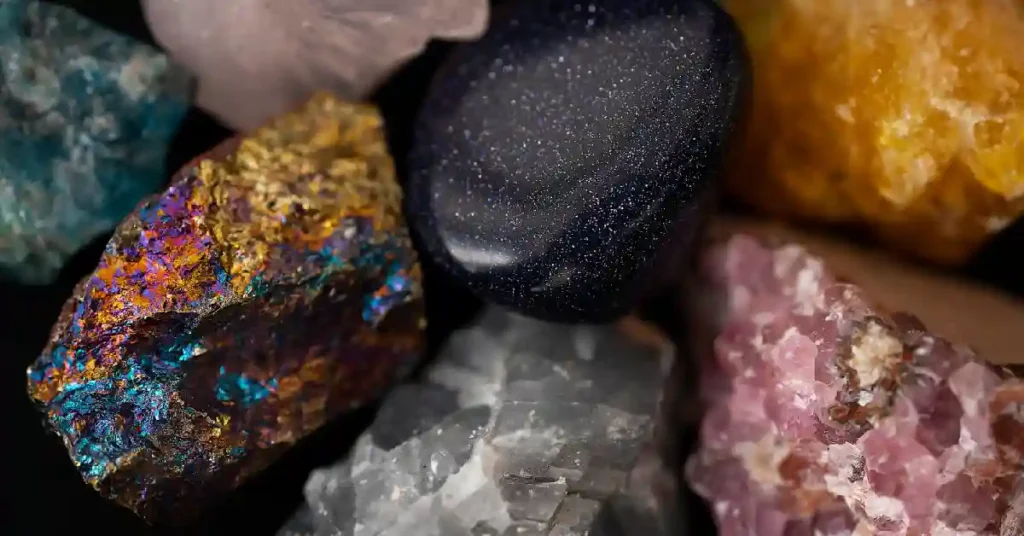
China has asked India to provide guarantees that heavy rare earth magnets imported from Chinese suppliers will not be re-exported to the United States. These magnets are vital for electric vehicles, renewable energy, and defence sectors. Shipments remain stalled as Beijing tightens export controls to protect its strategic resources. Although Indian firms have submitted end-user certificates, China is pushing for stricter compliance. The standoff impacts India’s EV and manufacturing industries, which rely heavily on China rare earths for critical component production.
China Demands Export Guarantees from India
China has renewed pressure on India to offer formal assurances before it restores shipments of heavy rare earth magnets. These components are critical for sectors such as electric vehicles (EVs), renewable energy systems, high-tech electronics, and defence. Beijing’s demand is driven by its intent to carefully oversee how rare earth materials it supplies are used and prevent them from being passed on to the United States.
What China Wants End‑Use Pledges
According to media reports, China is asking India to provide written commitments that magnets sourced from Chinese suppliers will be used exclusively within India. Beijing is reportedly pushing for export control measures akin to the Wassenaar Arrangement an international framework for dual-use goods. While India is a Wassenaar member, China is not; nevertheless, it is seeking similar end-use certification conditions before recommencing heavy magnet exports.
Indian firms have already submitted end-user certificates (EUCs) declaring that the imports will not be used in manufacturing weapons of mass destruction. Still, New Delhi has not accepted Beijing’s additional demand for export control guarantees.
China’s Dominance in Heavy Rare Earths
China controls nearly 90% of global heavy rare earth magnet production and processing. Over time, Beijing has reduced transparency in its export data, giving it greater leverage in negotiations with importers, notably the United States and India.
Impact on India’s EV and Manufacturing Landscape
Disruptions in EV Supply Chains
The delay in receiving heavy rare earth magnets is creating bottlenecks for Indian electric vehicle production, particularly in larger EV models. While light magnet shipments from China resumed after regional summits, heavy magnet imports remain stalled, affecting motor manufacturing and broader clean-tech sectors.
Wider Industrial and Defence Consequences
Rare earth magnets are central to multiple industries from wind turbines to aerospace, electronics, and defence. Prolonged disruption in magnet supply can erode India’s manufacturing ambitions and its ability to scale advanced technologies. At the same time, India is exploring alternatives and investing more in domestic capabilities in response to China’s export squeeze.
China Expands Export Controls on Rare Earths
Stricter Licensing and Usage Rules
In April, China introduced new restrictions demanding export licences and end-use certifications for medium and heavy rare earth materials. The updated policies also prohibit unauthorized foreign cooperation in processing and recycling rare earth technologies. The rules also state that exports for defence users will be outright refused, and semiconductor-related licences will be evaluated individually.
Global Importers Resume, India Remains Held Back
While China has cautiously resumed magnet exports to regions such as Europe and Southeast Asia, shipments to India are still pending approval. Indian import applications often stall at final clearance in China.
Strategic and Policy Responses in India
Diplomatic Engagements & Supply Chain Talks
The Indian government has officially taken up the rare earth issue with Chinese counterparts. According to the Ministry of External Affairs, dialogue is ongoing to streamline supply chains and address export delays.
Developing Indigenous Rare Earth Capabilities
To reduce reliance on Chinese imports, India is scaling up internal capabilities. Under the National Critical Mineral Mission, rare earths have been identified as priority mineralsIndia holds an estimated 6.9 million metric tons of rare earth reserves, making it a significant player in theory, but it currently lacks large-scale magnet manufacturing capacity. The government is reportedly planning incentives of ₹3,500–5,000 crore for local production of rare earth materials and magnets.
Major Indian companies in the EV and auto sector are also considering setting up domestic magnet production facilities to circumvent China’s supply chokepoint.
Conclusion & Outlook The Rising Stakes of China Rare Earths
China’s posture toward controlling rare earths and enforcing tighter export norms is reshaping global supply chains. For India, the challenge is twofold: securing near-term access to essential magnets while building a resilient domestic ecosystem. Whether India can navigate China’s demands without long-term dependence will depend on diplomacy, policy clarity, and industrial investment.
About The Author





More Stories
Adani Group’s $100 Billion Bet to Shape India’s AI Future with Data Centers
UP RERA Delivers Strong Relief to Homebuyers Across Uttar Pradesh
Fiinovation News : Panasonic Illuminates Jhajjar With 400 Solar Lanterns through CSR Initiative