




In today’s fast-evolving business environment, digital marketing has become more essential than ever. As we move into 2026, businesses must adopt fresh strategies and innovative technologies to stay relevant and competitive. Digital marketing is no longer just about running ads or posting on social media it’s about creating personalized, meaningful experiences that engage and convert your audience. In this blog, we’ll explore how digital marketing is shaping the future and why it’s crucial for the growth of your business.
Why Digital Marketing Will Be a Game Changer in 2026
In 2026, digital marketing will play an even bigger role in helping brands grow and thrive. With new technologies like AI, data analytics, and automation gaining momentum, businesses can achieve more precise targeting, deeper customer insights, and higher engagement levels. The era of broad, one-size-fits-all marketing is over. Today’s customers expect tailored experiences, and digital marketing provides the tools to meet this demand. By 2026, personalization will be at the forefront, with businesses relying on data-driven insights to craft highly targeted campaigns.
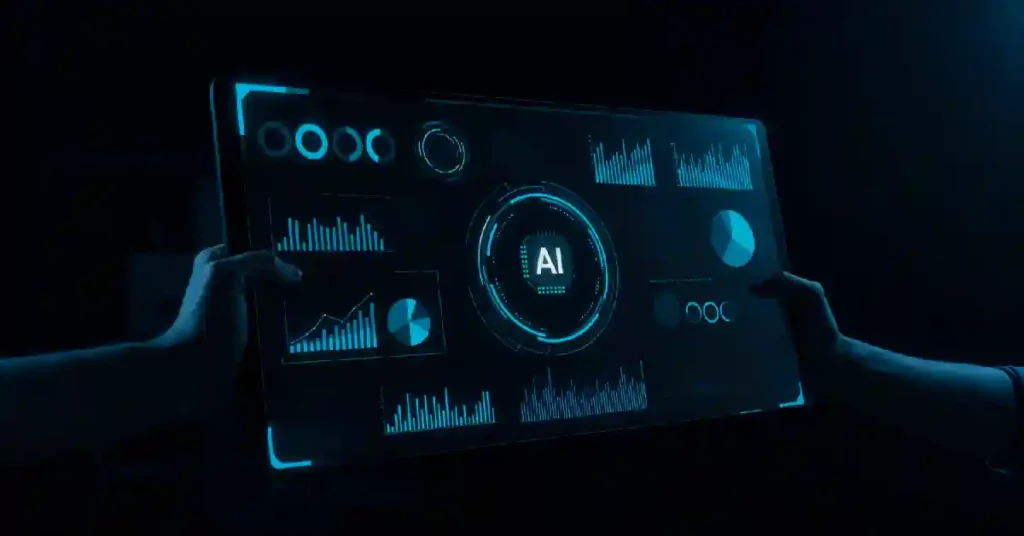
Brands that use advanced analytics tools and AI-powered platforms will have a competitive edge. These technologies allow businesses to understand their audience better, predict future trends, and refine their messaging to align with consumer behavior. In 2026, digital marketing will be more than just reaching a target audience it will be about building strong, meaningful relationships with customers.
The Rise of Personalization in Digital Marketing
In 2026, personalization will no longer be a “nice-to-have” feature of digital marketing but a necessity. Consumers will expect brands to offer personalized experiences that speak to their unique needs, preferences, and buying behaviors. Whether through customized email campaigns, dynamic website content, or targeted social media ads, personalization is becoming a critical strategy for engaging audiences and driving conversions.
Generative Engine Optimization (GEO) will play a key role in this shift. By using GEO, brands can generate content that is not only tailored to individual preferences but also optimized for search engines, increasing the visibility of personalized content. GEO will enable businesses to create content on-demand that aligns with a user’s specific needs, ensuring it resonates on a deeper level.
As businesses collect more data on their customers, they will have a wealth of insights to help them create these personalized experiences. However, the key to success will be data integrity. Companies will need to ensure that their data collection methods are ethical and transparent, as consumers demand more control over how their personal information is used.
Artificial Intelligence in Digital Marketing
By 2026, AI will have completely transformed how businesses approach digital marketing. AI technologies like machine learning, predictive analytics, and natural language processing will automate many aspects of marketing, from content creation to customer service. Brands will use AI-powered tools to analyze consumer behavior in real-time and adjust their marketing strategies accordingly.
For example, AI chatbots will become even more advanced, offering personalized customer support 24/7, improving response times, and enhancing the overall customer experience. Additionally, AI algorithms will analyze vast amounts of consumer data, helping marketers craft hyper-targeted campaigns that are more likely to convert. As AI continues to evolve, it will also be responsible for creating content that speaks directly to consumers’ interests, increasing engagement and building stronger relationships.
The Role of Automation in Streamlining Marketing Campaigns
As we move into 2026, marketing automation will be a game changer for businesses of all sizes. Automation allows businesses to run highly efficient, personalized campaigns with minimal effort. By automating processes like email marketing, social media scheduling, and customer segmentation, brands can reach their audience at the right time with the right message.
Marketing automation tools will become more sophisticated in 2026, allowing brands to automate entire campaigns while maintaining a high level of personalization. For example, a customer who browses a product on your website might automatically receive a targeted email with personalized recommendations, increasing the likelihood of a purchase. The more businesses leverage automation, the more they can focus on strategic decision-making, allowing them to scale their marketing efforts without increasing their workload.
Why SEO and Content Marketing Will Remain Essential
In 2026, SEO and content marketing will still be the foundation of every effective digital marketing strategy. As search engines become smarter, businesses will need to create high-quality, relevant content that meets the evolving needs of their audience. Search engine optimization will continue to play a crucial role in driving organic traffic to websites, but it will require more than just keyword optimization.
Brands will need to focus on creating content that answers user intent, not just keywords. For instance, if a user searches for “best digital marketing strategies in 2026,” businesses need to provide detailed, useful information that answers that query. Content marketing will go hand-in-hand with SEO, as valuable content helps brands build trust and authority in their industry.
As AI-powered tools become more capable, content creation will become more efficient. AI content generation tools will help businesses craft articles, blog posts, and product descriptions that resonate with their audience, while also optimizing for SEO. However, businesses will still need a human touch to ensure the content feels authentic and speaks to the brand’s voice.
The Future of Digital Marketing: What Brands Need to Do Now
The future of digital marketing in 2026 is bright, but businesses must start preparing now. To stay ahead of the competition, brands must embrace personalization, AI, and automation. By using AI-driven tools and data analytics, businesses can create more relevant content, improve customer engagement, and boost conversions. Marketing automation will allow brands to scale their efforts while maintaining a personalized touch. However, the key to success will lie in adapting to these changes early and staying ahead of consumer expectations.
To succeed in 2026 and beyond, businesses must invest in digital marketing strategies that focus on building strong relationships with their audience. Whether through AI, personalization, or content marketing, the future of marketing will be about more than just selling products it will be about creating experiences that resonate with customers on a deeper level.
About The Author







1 thought on “How Digital Marketing Will Shape Business Success in 2026”
Comments are closed.